YOUR WATER CONSERVATION SPECIALIST. SAVE WATER! SAVE MONEY!

Spring Sprinkler Start-Up Guide
Prepare your irrigation system for spring with practical start-up tips from Verano Irrigation & Lighting. Serving Chicago-area homeowners.
5/10/20263 min read
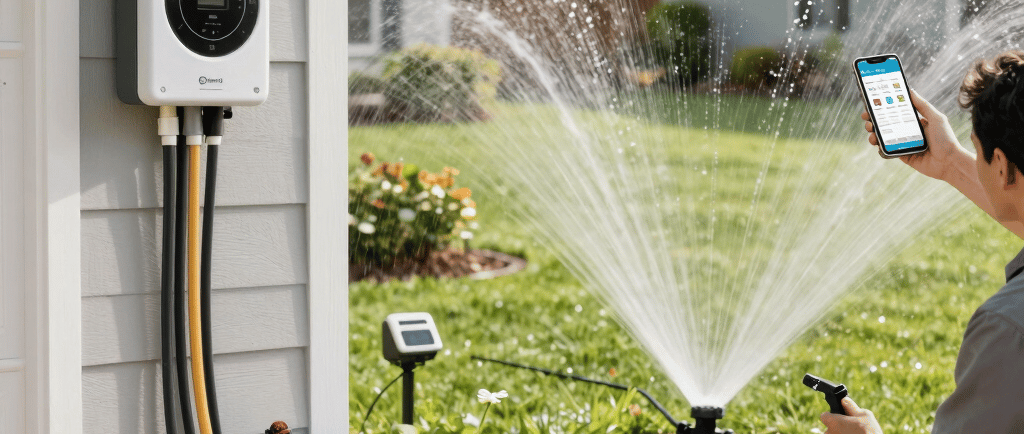
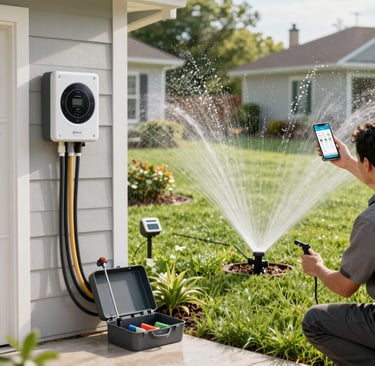
After a long Illinois winter, your lawn may be ready for warmer weather before your sprinkler system is. A proper spring start-up is more than turning the water back on. The system should be checked slowly and carefully so small issues do not turn into wasted water, uneven coverage, or damage around the landscape.
For homeowners in the Chicago-area suburbs, spring conditions can change quickly. Cold nights, wet soil, and shifting ground can all affect irrigation lines, valves, sprinkler heads, and controllers. Taking time to inspect the system before the first full watering schedule helps your lawn get the coverage it needs without putting unnecessary stress on the equipment.
Why Spring Start-Up Matters
Sprinkler systems sit inactive for months during winter. During that time, sprinkler heads can collect debris, valves can stick, nozzles can shift, and controller schedules can become outdated for the season. Even when the system worked well last year, it is worth checking each zone before regular watering begins.
A spring start-up gives you a chance to catch common problems early:
• Sprinkler heads that are blocked, tilted, or damaged
• Zones with weak pressure or uneven coverage
• Leaks near valves, heads, or exposed fittings
• Controller schedules that no longer match the weather
• Overspray onto sidewalks, driveways, patios, or walls
These issues are easier to correct before the lawn is under summer heat stress.
What A Careful Start-Up Includes
A good start-up begins with controlled water activation. Instead of opening the system too quickly, water should be introduced gradually while listening and watching for leaks, pressure changes, or unusual behavior.
After that, each zone should be tested individually. This makes it easier to see whether every sprinkler head is working, whether the spray pattern reaches the right areas, and whether any part of the yard is being overwatered or missed.
The controller should also be reviewed. Spring watering needs are not the same as mid-summer watering needs. A practical schedule should account for the season, recent rainfall, soil conditions, and the type of landscape being watered.
Sprinkler Heads And Coverage
Sprinkler heads are one of the most visible parts of the system, but they are also easy to overlook. A head that is slightly tilted can spray a sidewalk instead of the lawn. A clogged nozzle can leave dry spots. A head hidden by grass or mulch may not rise correctly.
During a start-up, each head should be checked for:
• Proper spray direction
• Clean nozzles
• Correct pop-up movement
• Even coverage between zones
• Signs of cracking or physical damage
Small adjustments can make the system more efficient and help the lawn receive more consistent watering.
Smart Controllers And Seasonal Adjustments
If your system uses a smart controller, spring is a good time to confirm the settings. Smart controllers can help adjust watering based on weather and seasonal needs, but they still need correct zone information, schedules, and setup.
Homeowners should review:
• Watering days
• Start times
• Run times by zone
• Rain delay settings
• Seasonal adjustment settings
When the controller is set up correctly, it can support better water use and reduce unnecessary watering during rainy periods.
When To Call A Professional
Some start-up tasks are simple to observe, but repairs and pressure issues are better handled by an irrigation professional. If a zone does not turn on, pressure is uneven, heads are leaking, or the controller is not responding correctly, it is better to inspect the system before running it daily.
Verano Irrigation & Lighting provides irrigation services for homeowners who want their system checked, adjusted, and ready for the season. A spring visit can help confirm that each zone is operating correctly and that the system is prepared for warmer weather.
Quick Spring Sprinkler Checklist
• Turn water on gradually
• Test every zone
• Check each sprinkler head
• Look for leaks or pooling water
• Adjust spray patterns
• Review controller settings
• Update the watering schedule for spring
• Schedule service if pressure, leaks, or coverage problems appear
FAQ
When should I start my sprinkler system in Illinois?
Most homeowners wait until freezing conditions have passed and the lawn begins active spring growth. Timing can vary by year, so it is better to consider local weather instead of relying on one fixed date.
Can I turn on my sprinkler system myself?
Some homeowners can turn on a simple system, but a full start-up should include zone testing, head adjustments, leak checks, and controller review. If anything looks unusual, professional service is recommended.
Why is one zone weaker than the others?
Weak pressure can come from a leak, clogged nozzle, valve issue, or other system problem. Testing the zone individually helps identify where the issue may be coming from.
Should I change my watering schedule in spring?
Yes. Spring watering needs are usually different from summer needs. Weather, rainfall, and soil moisture should all influence the schedule.